
Acupuncture
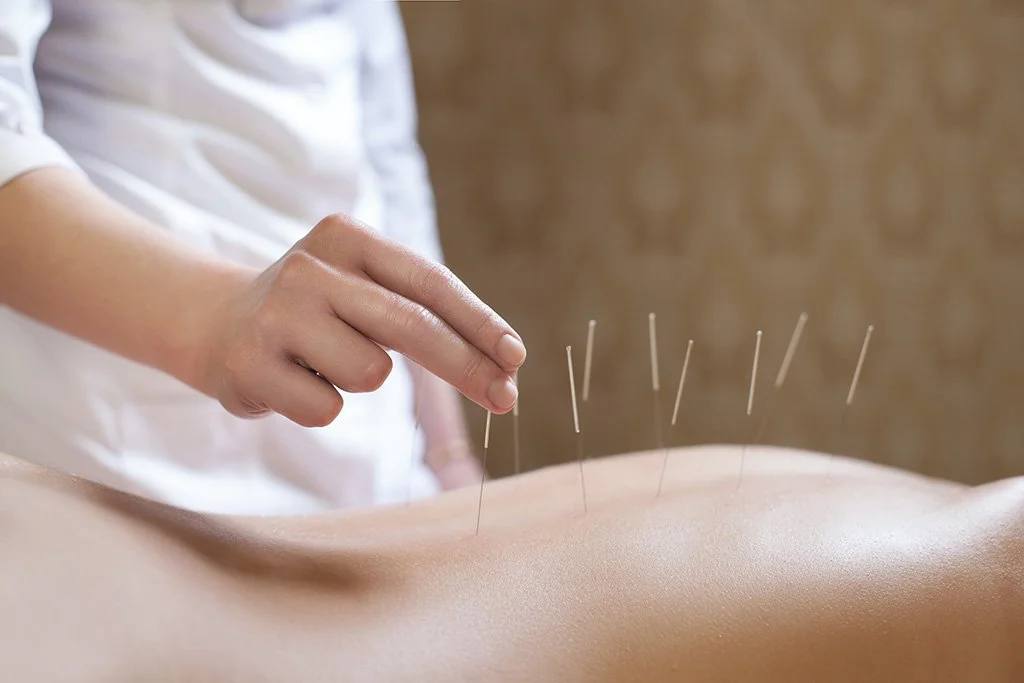
A therapy which is part of Traditional Chinese Medicine (TCM), developed and refined over the last 2500 years. Acupuncture is a safe procedure involving the insertion of thin, disposable, sterile needles to stimulate certain points near the surface of the body. Each treatment is unique to the client and a point combination is chosen based on the client's signs and symptoms as well as pulse and tongue diagnosis. TCM theory states that when the body is out of balance or when our Qi is blocked we experience pain and illness. Qi flows through pathways in our body called meridians, each meridian connects with an organ, the acupuncture points are along these meridian pathways. Stimulating these points moves the Qi, a free flow of Qi will help to balance the body's yin and yang to achieve and maintain good health.
From a western point of view, needling specific points stimulates the central nervous system, releasing the body's natural painkillers (endorphins), needling causes the release of adenosine at the insertion site, acting as a natural anti-inflammatory and pain suppressing agent. Acupuncture points frequently correspond to areas where nerves, lymphatic vessels, and connective tissue (fascia) intersect. Needling causes fascial tissue changes that promote fluid movement and immune system modulation.
Major health institutions recognize acupuncture as a valid intervention for several conditions;
pain management, chronic low back pain, neck pain
osteoarthritis
nausea, during pregnancy, due to stress, or side effect of chemotherapy
headaches, clinical data supports that acupuncture can reduce the frequency and severity of both tension headaches and migraines
shoulder and upper back pain/tension
increasing blood flow/circulation
improving immune response
improving mobility
better sleep/insomnia
seasonal allergies
digestive disorders
joint and muscle pain
menopausal, perimenopausal symptoms
menstrual cramps/PMS
depression
anxiety
faster recovery following sprain or strain injury
Acupuncture can be used for treating certain conditions as well as for maintaining good health and for prevention, treatment frequency can be weekly, bi-weekly or monthly.
Acupuncture is a regulated profession in British Columbia, extended health benefits often cover Acupuncture treatment, check with your insurance provider for details of your coverage.
What to expect during treatment
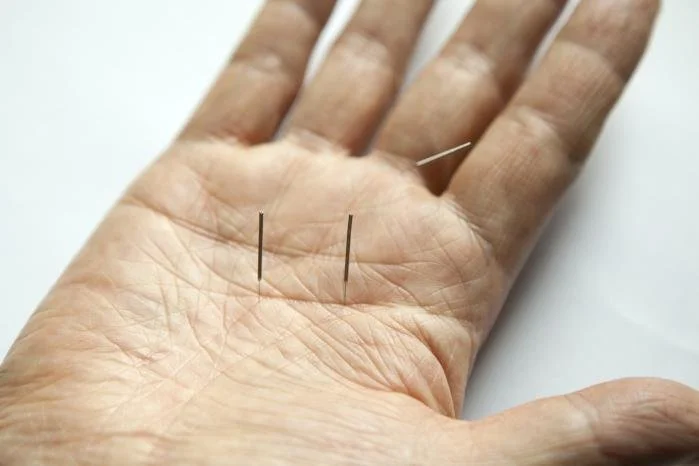
Treatment does not include the breast or genital area, but it is common to treat the inner thighs, abdomen, buttocks and upper chest. Please inform your practitioner if you have a fear of needles or if you're uncomfortable with being needled in a certain area. You have the option to wear loose comfortable clothing or take all clothes off to your comfort level. You will be covered by a sheet/blanket at all times and only areas being treated will be exposed.
It is normal to feel a dull ache, heaviness or tingling at the insertion site, this is the sensation of Qi. Acupuncture can also cause some bleeding, bruising or local redness, or a possible new pain or change in pain depending on pre-existing conditions.
It is a good idea to make sure you have not fasted before treatment, make sure you have some food and water in your system or you may experience some light headedness after treatment.
Depending on the condition being treated, other TCM modalities will often be included in your Acupuncture treatment:
Tui na: therapeutic massage
Cupping: cups are placed on the skin and the tissue is drawn up into the cup, most often cups are placed on the back, shoulders and sight of pain, increasing blood flow, loosening fascia and connective tissue and stimulating healing. The application of cupping will usually leave purplish marks and bruising which will dissipate within a week.
Gua sha: scraping the skin with a tool to improve circulation, can also leave marks similar to cupping.
Moxibustion: involves burning dried, ground mugwort (a spongy herb) on or just above specific acupuncture points on the body.
Electro-acupuncture: applying a mild electrical current to the needles to enhance the therapeutic effects of the treatment.